


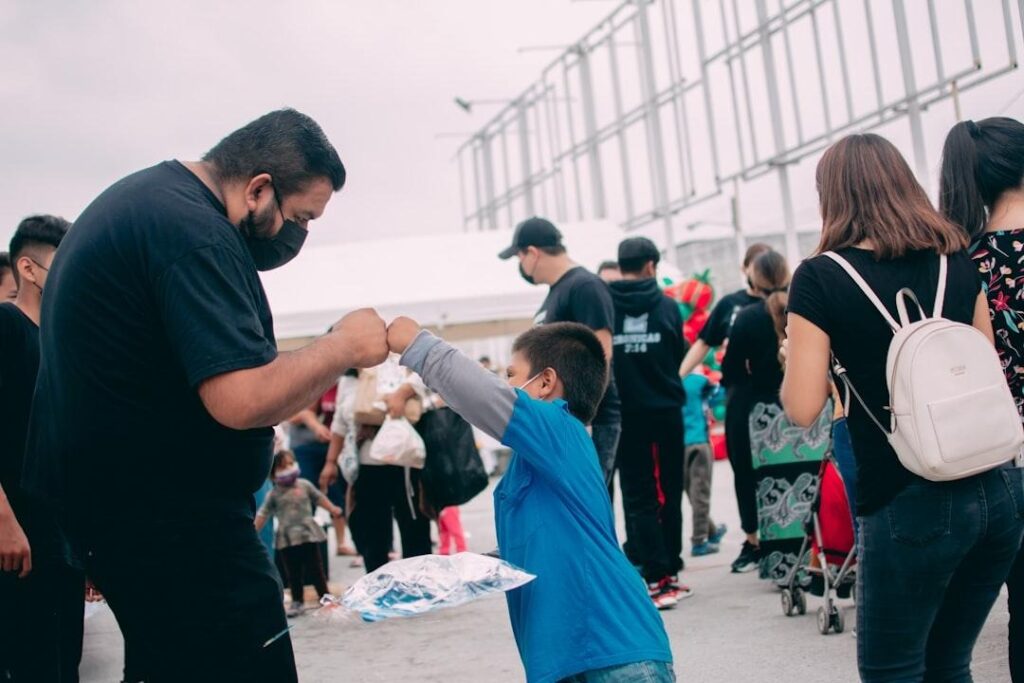


Nonprofit community engagement means involving the people you serve in decisions that affect them. You listen to what your community members need and invite them into program planning to build trust and keep your work relevant to the people who matter most.
Real engagement happens through ongoing relationships, not one-off events. The goal is to respond to feedback and give community members a real voice in shaping your programs and services.
What Community Engagement Means for Nonprofits
Community engagement for nonprofits is all about building relationships with the people you serve and the communities where you work. This goes beyond sending newsletters or posting on social media, as you have to create ongoing dialogue with community members and involve them in decisions that impact your services.
This is different from marketing or outreach because it’s a two-way street. Marketing pushes your message out to audiences. Outreach connects people with specific services or events. Engagement invites community members to participate more closely with your services. They help shape your programs, volunteer their time, provide feedback on what’s working, and become invested in your mission’s success.
That’s why you can’t treat engagement as a one-time campaign or annual event. Real engagement happens through consistent communication and sustained relationships. A community health fair might start conversations, but keeping those connections by following up and adapting your services is what builds the trust and collaboration that strengthen your organization over time.
Why Community Engagement Matters for Long-Term Sustainability
Strong community engagement helps your nonprofit survive and grow over time. Organizations with deep community roots attract more support and build credibility that opens doors to new opportunities. Without your community’s support, you risk becoming isolated from the people who keep your mission moving forward.
Here’s how engaging with your community strengthens your organization:
- More organizational visibility: People talk about organizations they feel connected to. Community members who participate actively in your programs become ambassadors who spread awareness through their networks. This organic visibility reaches audiences that traditional marketing could never reach and carries more weight because it comes from trusted voices within the community. With 94% of Americans trusting nonprofits more than big businesses, these word-of-mouth referrals are invaluable.
- Stronger funding stability and participation: Funders want to support organizations that demonstrate community buy-in and sustained participation. Nonprofit organizations retain only 45% of donors year-over-year, so any help you can offer is welcome. Engagement shows donors and grantmakers that your work resonates with the people you serve. It also creates diverse participation across community outreach programs, which makes your organization less vulnerable to changes in any single funding source or volunteer pool.
- Improved mission credibility: You build trust through consistent engagement that proves you listen and respond to community needs. Organizations known for genuine community partnerships gain credibility that attracts board members and volunteers. Fifty-eight percent of Americans familiar with nonprofits have great trust in them, compared to 28% of those unfamiliar. Community engagement creates a familiarity that boosts your organization’s credibility.
Core Components of Effective Nonprofit Community Engagement
The best community engagement strategies for nonprofits use several strategies that work together to create lasting relationships. You can’t focus on just one aspect and expect community engagement to develop naturally. The best engagement programs happen when you intentionally combine relationship-building, accessible programming, volunteer involvement, and consistent communication into a cohesive approach.
These are the common components to pay attention to when setting up your community engagement programs:
- Relationship-building with community members and stakeholders: You develop trust with the community by showing up consistently and following through on your commitments. This looks like learning names and treating community members as partners. Relationships go much deeper when you invest time in understanding what matters to people.
- Accessible, inclusive programming aligned with community needs: Your programs need to reflect what your community wants and needs. This may be doing things like simplifying complicated application processes or offering scheduling that works with professional and family obligations. Accessibility also includes cultural responsiveness and access that makes everyone feel welcome to participate.
- Volunteer involvement as a bridge to deeper engagement: Over 75 million Americans volunteered in 2023, and some of them could become your most committed supporters. They see your work firsthand and build relationships with staff and other community members. Creating meaningful volunteer roles that match different skill levels and time commitments gives more people entry points into your organization.
- Consistent, two-way communication: You need to share updates about your work while also creating channels for community members to share their perspectives with you. A newsletter or social media post won’t be enough for this. You’ll need to include surveys, focus groups, community meetings, and informal conversations to give people a real voice.
Planning Community Engagement Across Programs and Services
You need clear goals before you start planning engagement activities. Start by defining what you want your community participation efforts to achieve. Maybe you’re trying to increase workshop attendance or recruit mentors for specific populations like youth civic engagement. Clear goals help you design activities that move your organization forward.
Then, confirm that your engagement plans match what your organization can handle. Ambitious initiatives fall apart when you don’t have enough staff time or budget to sustain them. Start with what you can maintain consistently rather than launching programs you’ll abandon when resources get tight. Small, sustainable efforts build more trust than impressive initiatives that fizzle out after a few months.
Coordinate your efforts across teams and service areas, so different departments aren’t competing for the same community member’s attention. Your education team might plan a parent workshop while your health services team schedules a family event for the same week. Regular internal communication prevents these conflicts and helps you create complementary opportunities that reinforce each other.
The Role of Partnerships and Collaboration in Engagement Efforts
Partnerships with local organizations help you increase your engagement reach and strengthen community integration by connecting people across different service providers. You can’t do everything alone, and you shouldn’t try to. Working with schools, faith communities, businesses, and other nonprofits helps you tap into existing networks and relationships that would take years to build on your own.
Strong collaborative partnerships share these characteristics:
- Aligned goals and mutual benefit: Both organizations need to gain something meaningful from the partnership. Maybe you provide services that their clients need while they give you access to their community connections. These relationships work when everyone involved sees clear value.
- Shared planning and decision-making: The most effective collaborations are those where all parties contribute ideas and shape how initiatives unfold. For organizations to promote your programs, involve them in planning discussions and program design.
- Reduced duplication through coordination: You won’t waste resources on parallel efforts if you coordinate with other organizations serving similar populations. This might mean alternating event schedules or combining complementary programs that serve families more efficiently than separate initiatives would.
Measuring Participation and Community Involvement
You need concrete ways to track whether your engagement efforts are working. Measuring participation helps you understand which activities resonate with community members and where you might be missing the mark. This data also shows funders and stakeholders that you’re building real community connections.
Track engagement through multiple indicators that capture different dimensions of participation:
- Attendance and volunteer participation: Count who shows up to events and volunteer opportunities. Look for patterns in repeat participation versus one-time attendance, and track whether the same small group carries most engagement or if you’re reaching broader audiences over time.
- Qualitative feedback from community members: Collect input through surveys and focus groups to see what people think about your programs. Ask about what barriers they face, what’s working well, and what changes would make it easier for them to participate. This feedback is especially important during case transfers or program transitions when you need to maintain relationships through operational changes.
- Engagement patterns across channels: Monitor how people connect with your organization through different touchpoints like social media, in-person events, phone calls, or website interactions. Identifying patterns helps you meet community members where they already are instead of forcing them into channels that don’t fit their preferences.
Case management systems, like Casebook, help you track these indicators across programs without manually compiling data from different departments or losing information when staff transitions happen.
Using Engagement Data to Improve Programs and Services
Participation data only matters if you use it to adjust your programs and services. Look for patterns in attendance and feedback to see what’s working and what’s falling flat. Maybe evening workshops draw better turnout than morning sessions, or certain topics generate more discussion than others. These insights tell you where to invest more resources and what to rethink.
Apply what you learn from community feedback to make concrete changes in program design. Community members notice when you listen and respond to their input. They lose interest when you keep asking for feedback but never act on what they tell you. This responsiveness also helps keep donors engaged because they want to support organizations that adapt based on community needs and not ones that stick rigidly to predetermined plans.
Strengthen Engagement Over Time With Organized Workflows
You need consistent documentation and follow-up to maintain strong community relationships over time. Track interactions and engagement history so nothing falls through the cracks when staff transitions happen or workloads get heavy. Nonprofit case management software helps you coordinate data and communication across teams so everyone stays informed about community relationships and engagement activities.
Human services for managing clients require organized workflows that support relationship-building alongside service delivery. You can refine your engagement strategies based on ongoing insights about what works and what doesn’t when you have clear documentation of participation patterns and community feedback.
Get a demo to see how Casebook supports nonprofit engagement efforts, or contact us to discuss your organization’s specific needs.